Education is a fundamental human right that plays a crucial role in shaping individuals and societies. It is widely accepted that education is the key to unlocking opportunities, fostering economic growth, and promoting social development. However, access to quality education is not equitable globally, with many barriers hindering individuals from obtaining a quality education.
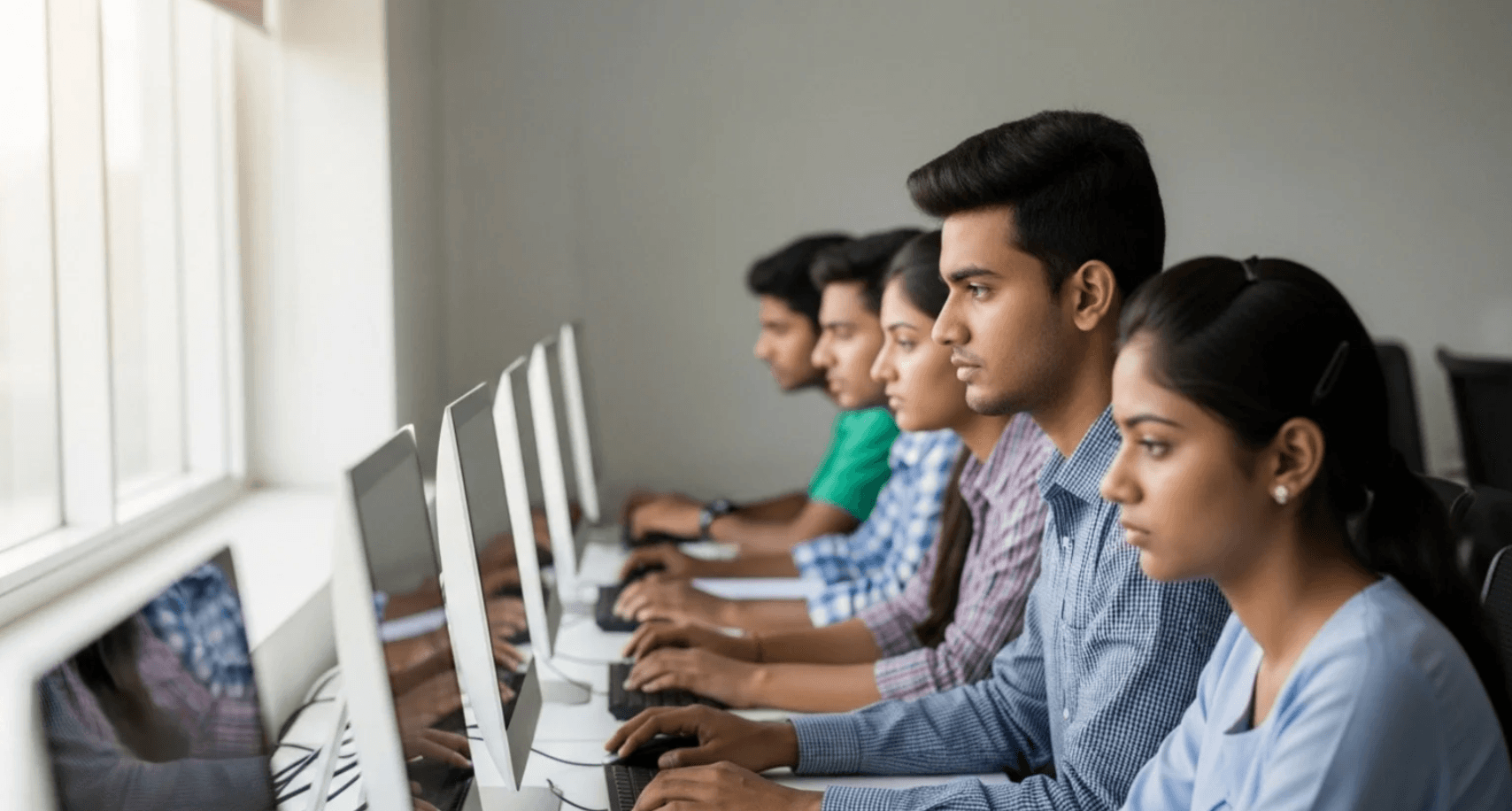
One of the primary barriers to accessing education is poverty. In many developing countries, families struggle to afford basic necessities, let alone the cost of sending their children to school. The lack of financial resources often forces children to drop out of school and enter the workforce to support their families. Furthermore, poverty can lead to inadequate infrastructure and resources in schools, resulting in poor quality education for those who are able to attend.
Gender inequality is another significant barrier to education. In many parts of the world, girls are disadvantaged when it comes to accessing education. Cultural norms and societal expectations often prioritize boys' education over girls', leading to lower enrollment rates for girls. Additionally, girls may face barriers such as early marriage, pregnancy, or lack of safety on their way to school, all of which contribute to higher dropout rates among girls.
Conflict and instability also pose a serious threat to education. In war-torn regions, schools are often destroyed, and teachers and students are forced to flee their homes, disrupting the education system. Children living in conflict zones are at a higher risk of missing out on education, as schools are closed, and resources are diverted to address immediate humanitarian needs. The long-term consequences of conflict on education are far-reaching, as a generation of children is deprived of the opportunity to learn and build a better future.
Disability is another barrier that hinders access to quality education. Children with disabilities face discrimination and lack of support in many educational settings, making it difficult for them to fully participate in learning. Inclusive education policies and practices are essential to ensure that all children, regardless of their abilities, have the opportunity to access quality education. However, many countries still lack the resources and infrastructure to accommodate the diverse needs of students with disabilities.
In addition to these barriers, geographical remoteness and lack of infrastructure can also hinder access to education. In rural and underserved areas, schools may be located far from communities, making it difficult for children to attend regularly. Poor road conditions, lack of transportation, and limited access to technology further exacerbate the challenges of accessing education in these areas. Furthermore, inadequate school facilities and lack of qualified teachers can compromise the quality of education in remote regions.
Despite these barriers, there are numerous efforts being made to improve access to education globally. Governments, non-governmental organizations, and international agencies are working together to address these challenges and ensure that all children have the opportunity to receive a quality education. Initiatives such as scholarships, school feeding programs, and infrastructure development projects have helped to increase enrollment rates and improve learning outcomes in many countries.
Technology also plays a crucial role in expanding access to education. Online learning platforms, mobile applications, and digital resources have made it possible for individuals to access educational content from anywhere in the world. Virtual classrooms and distance learning programs have enabled students to continue their education during times of crisis, such as the COVID-19 pandemic, when schools were closed.
kd2kub